
The eye is a delicate structure that is
easily damaged by a small foreign body. If a foreign body scratches or
scars the eye surface, the patient may lose some or all vision in the
injured eye. Eye protection should always be worn when particles or
fluid could enter the eye.
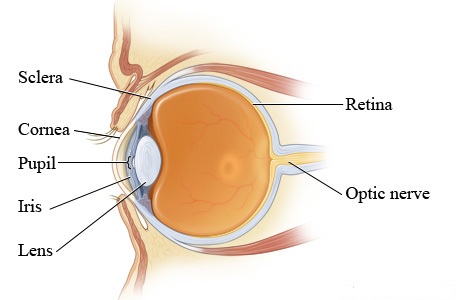
A heavy blow may injure soft issues and
bone around the eye. This can result in pressure on the eyeball and
cause blurred or double vision, or even blindness.
In a workplace where welding is undertaken a
painful flash injury may occur unless personal protective equipment is
used correctly.
Even a minor eye injury can cause
serious, lifelong eye damage. For example, bleeding within the eye,
caused by an eye injury, can cause glaucoma later in life. Eye injuries
can cause loss of vision, or complete loss of an eye. Listed below is
information about first aid treatment in the event of an eye injury.Symptoms and signs – Not all may be present
- Chemical exposure: The most common symptoms are pain or intense burning. The eye will begin to tear profusely, may become red, and the eyelids may become swollen.
- Subconjunctival hemorrhage (bleeding): Generally, this condition by
itself is painless. Vision is not affected. The eye will have a red spot
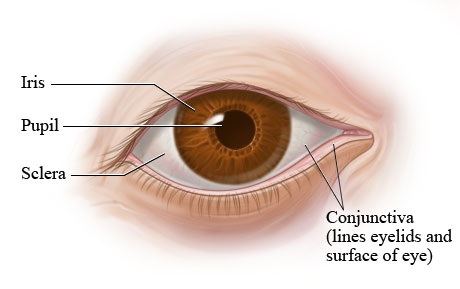
of blood on the sclera (the white part of the eye). This occurs when
there is a rupture of a small blood vessel on the surface of the eye.
The area of redness may be fairly large, and its appearance is sometimes
alarming. Spontaneous subconjunctival hemorrhages may occur in the
absence of any known trauma. If it is unassociated with other signs of
trauma, it is not dangerous and generally goes away over a period of 4
to 10 days with no treatment.
- Corneal abrasions: Symptoms include pain, a sensation that something is in the eye, tearing, and sensitivity to light.
- Iritis: Pain and light sensitivity are common. The pain may be described as a deep ache in and around the eye. Sometimes, excessive tearing is seen.
- Hyphema: Pain and blurred vision are the main symptoms.
- Orbital blowout fracture: Symptoms include pain, especially with movement of the eyes; double vision that disappears when one eye is covered; and eyelid swelling which may worsen after nose blowing. Swelling around the eye and bruising often occur. A black eye is the result of blood pooling in the eyelids. This can take weeks to disappear totally.
- Conjunctival lacerations: Symptoms include pain, redness, and a sensation that something is in the eye.
- Lacerations to the cornea and the sclera: Symptoms include decreased vision and pain.
- Foreign bodies:
- Corneal: A sensation that something is in the eye, tearing, blurred vision, and light sensitivity are all common symptoms. Sometimes, the foreign body can be seen on the cornea. If the foreign body is metal, a rust ring or rust stain can occur.
- Intraorbital: Symptoms, such as decreased vision, pain, and double vision, usually develop hours to days after the injury. Sometimes, no symptoms develop.
- Intraocular: People may have eye pain and decreased vision, but, initially, if the foreign body is small and was introduced into the eye at high velocity, people may have no symptoms.
- Light-induced injuries:
- Ultraviolet keratitis: Symptoms include pain, light sensitivity, redness, and a feeling that something is in the eye. Symptoms do not appear immediately after ultraviolet exposure but rather about 4 hours later.
- Solar retinopathy: Decreased vision with a small area of central blurring is the primary symptom.

Causes
- Chemical exposures and burns: A chemical burn can occur in a number of ways but is most often the result of a liquid splashing into the eye. Many chemicals, such as soap, sunscreen, and even tear gas, are primarily irritants to the eye and do not usually cause permanent damage. However, acids and alkali are highly caustic and may cause severe and permanent damage to the ocular surface.
- Acids (such as sulphuric acid found in car batteries) or alkaline substances (such as lye found in drain cleaner and ammonia) can splash into the eyes.
- Rubbing the eye can transfer chemicals from the skin on the hands to the eye.
- Aerosol exposure is another method of potential chemical injury and includes such substances as Mace, tear gas, pepper spray, or hairspray.
Managing different types of eye injuries:
Eye injuries vary from something very minor,
such as getting shampoo in your eye, to something quite serious, such as
a cut, which could cause permanent loss of vision.
Common types of eye injury include: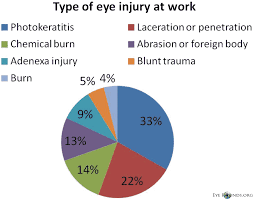
- foreign objects getting stuck in the eye, like an eyelash or pieces of grit, wood or metal
- cuts or grazes, from sharp objects like glass or metal
- severe blows to the eye, from a hard object, like a ball.
Foreign objects like grit, or a loose
eyelash, often land on the surface of the eye. Usually you can easily
rinse these out but sharp fragments like grit, metal or glass may cut
the eye in which case the person should go to hospital.
All eye injuries are potentially serious
because they could damage the person’s vision. Even grazes to the
surface of the eye, called the cornea, can lead to scarring or
infection, which could permanently damage someone's vision.
Chemical burns:
Chemicals common at home or in the workplace can easily get splashed into your eyes. It is important to wear safety glasses when handling toxic or abrasive chemicals and use caution with household cleaners in order to prevent injury.First aid care for chemical burns includes:
- Remain calm and keep your eyes open until they can be flushed. Closing your eyes traps the chemical in and does further damage.
- Flush eyes generously with water for 15 to 20 minutes. Make sure you keep your eyes open during flushing.
- Get immediate medical care.
Foreign object:
The eye often cleans itself of debris with tearing, so no treatment is needed until you are certain the eye cannot remove the object by itself.First aid care for foreign objects in the eyes includes:
- Don’t rub your eyes.
- Lift the upper eyelid up and out over the lower lid, and then roll your eyes around.
- Flush your eyes generously with water, and keep your eyes open during flushing.
- Repeat the previous steps until the object is eliminated.
- Follow up with a doctor to make sure all debris is gone and the eyes have not been scratched or damaged. Your doctor may evaluate you for damage by using a special eye drop that fluoresces under a certain type of light; it will help reveal any cuts or scratches in the cornea.
Blows to the eye:
Impact to the eye is another form of eye trauma. Minor blows can often be managed at home. Any eye injury should be monitored for signs of a serious injury or potential infection.First aid care for a blow to the eyes includes:
- Gently place a cold compress over your eye in 5- to 10-minute intervals. Do not place ice directly on the skin. Instead, use a cloth in between the ice and skin.
- Call your doctor. They may want to examine the eye for potential
damage. If the trauma was significant (for example, skull fracture or
displaced bones), you will need to go to an emergency department for
immediate evaluation.
- After 24 hours, switch to warm compresses. This will help lessen bruising.
- drainage from the affected eye
- vision changes
- persistent pain
- any visible abnormalities or bleeding in the sclera, which is the white part of the eye
Cuts or puncture wounds on the eye or lid:
You should seek immediate medical care if you suffer this type of injury. However, you need to follow some basic first aid steps to ensure proper safety and support.Here are some first aid tips for treating cuts and puncture wounds:
- Do not wash the eye or lid.
- If there is an object embedded in your eye, do NOT remove it. Doing so can cause further damage.
- Cover the eye with an eye shield. If you don’t have one available, place the bottom half of a paper cup over your eye and tape over it gently to secure it to your face.
- Seek prompt medical attention.
1. Rest and reassure the patient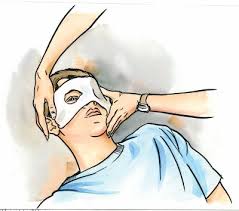
Minor eye conditions:
1. Removal of a foreign body
If the foreign object cannot be seen clearly or is over the coloured part of the eye, DO NOT try to remove it.
2. If unsuccessful, the foreign body may not be removed by gentle flushing of the affected eye
- Tell the patient not to roll their eye.
- Help the patient to rest in the position of greatest comfort with the injured eye closed.
- If the eye injury is caused by a chemical splash, flush the eye with copious amounts of water.
- Advise the patient to avoid all movement of the head to prevent further eye damage.
- Reassure the patient.
Protect the injured eye:
- Cover the injured eye with a clean eye pad or wound dressing. If there is a large foreign body lodged in the eye, DO NOT attempt to remove it, but pad around the eye socket to avoid pressure.
- Advise the patient to keep the uninjured eye closed if possible to reduce the risk of movement of the injured eye.
Arrange for medical care
- Continue to give reassurance and encouragement to the patient.
- While waiting for the ambulance to arrive, check the patient for any other injuries, particularly if a blow or fall was involved.
- Check the level of consciousness and ensure that the airway is clear.
- Remember that an injury around the eye may be associated with a head injury.
Minor eye conditions: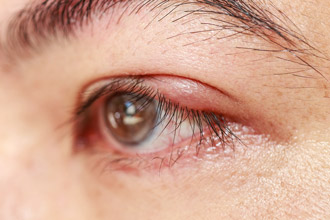
1. Removal of a foreign body- Tell the patient not to rub the eye.
- Check whether the foreign material is visible on the white part of the eye.
- Ask the patient to blink several times to try to remove the foreign body by washing it out with tears.
If the foreign object cannot be seen clearly or is over the coloured part of the eye, DO NOT try to remove it.
2. If unsuccessful, the foreign body may not be removed by gentle flushing of the affected eye
- Use a clean jug filled with water and pour a stream of fluid across the injured eye and into a bowl or handbasin. Pour the fluid from the mnose end of the eye toward the outer corner to avoid accidentally flushing the uninjured eye. Tilt head to injured side to aid flushing.
- If unsuccessful, cover the eye with a clean pad and see a doctor.
Snow blindness / welder’s flash:
Excessive glare (or bright light from a welder) can damage eyes. The patient may complain of severe pain in the eye(s), with a ‘gritty’ feeling. The eye may be sensitive to light and may be watery and/or red.Home Remedies for Eye Injuries:
Self-care at home, in many instances, consists of emergent treatment before or during transport to a medical facility.Chemical exposures: The single most important thing to do for chemical exposures is to perform first aid by immediately washing out the eye with large amounts of water. Although saline solution is best, regular tap water is a perfectly acceptable alternative. Particularly, for more serious burning materials, such as acid or alkali, time is of the essence. The affected eye should be washed for 20 minutes or more. It is important that people keep their eyelids open during the irrigation process; this may require the assistance of another person to help the patient keep their eye open during the wash out.
- A water fountain makes a great eye wash. Just lean over the fountain, turn on the water, and keep the exposed eye open.
- At a sink, the individual should stand over the sink, cup his/her hands, and put his/her face into the running water.
- If a person is near a shower, he/she should get in and put the exposed eye under the running water. This is a good option if a person has been sprayed with a chemical in the face and hair.
- Hold a glass of water firmly against the orbital bones with the eye open and then tip the head back. Do this many times.
- If a patient is working outside, a garden hose running at a very modest flow will work to flush the eye.
Prevent Eye Injuries:
Most eye injuries can be prevented with
safety glasses or other forms of eye protection such as full face
shields often seen with motorcycle helmets or even welder's shields.
- People should wear safety glasses whenever they operate power tools, such as drills, saws, or power washers; when using a hammer; or when mixing or spraying chemicals.
- Welder's goggles or face masks should be used when using an arc welder. A common scenario for ultraviolet keratitis in welders is that the welder lights his or her torch with the welder's mask up and then flips it down after the torch is lit.
- Eye coverings should be used by people in tanning beds or in tanning booths, but it is best to completely avoid tanning, indoors and outdoors, to reduce chances of developing skin cancers or skin damage.
- Do not rub the eyes.
- Never look directly into the sun. When outdoors on bright, sunny days, wear good quality sunglasses. This will reduce the amount of ultraviolet exposure to the eyes.
When to seek immediate medical advice: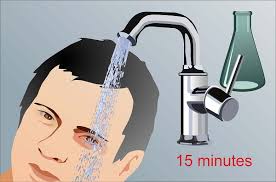
-
You should go immediately to your nearest accident and emergency department if you have:
- persistent or severe eye pain
- foreign bodiess that can't be washed out
- decreased or double vision
- flashing lights, spots, halos or shadows in your field of vision
- blood visible in your eye
- an irregularly shaped pupil (the black dot at the centre of the eye)
- pain when exposed to bright light
- deep cuts around your eye
- your eye is sticking out of your eye socket
Protect your eyes in the sun:
A day at the beach without proper eye
protection can cause a temporary but painful burn to the surface of the
eye, similar to sunburn.
Reflected sunlight from snow, sand, concrete and water, and artificial light from sunbeds, is
particularly dangerous
.
Avoid looking directly at the sun, as this can cause permanent eye damage.
Clothing and sunglasses:
Wear clothes and sunglasses that provide sun protection, such as:
- a wide-brimmed hat that shades the face, neck and ears
- a long-sleeved top
- trousers or long skirts in close-weave fabrics that do not allow sunlight through
- sunglasses with wraparound lenses or wide arms with the CE Mark and European Standard EN 1836:2005


No comments:
Post a Comment