
Floods are the most frequent type of natural disaster and occur when an overflow of water submerges land that is usually dry. Floods are often caused by heavy rainfall, rapid snowmelt or a storm surge from a tropical cyclone or tsunami in coastal areas

A flood is a natural occurrence in which a normally dry area or piece of land is suddenly covered in water. Because of excessive rainfall in many different ways, rivers, lakes, and oceans overflow. People lose their lives, and there is devastation and significant property damage when heavy rain occurs.
1. Move immediately to higher ground or stay on high ground.
2. If you must evacuate your home, take only essential items and bring your pets if safe to do so.
3. Evacuate if directed.
4. Follow instructions from public safety officials. ...
5. Avoid walking or driving through flood waters. Turn Around, Don't Drown!
6. Just 6 inches of moving water can knock you down and 1 foot of water can sweep your vehicle away.
7. Raise furniture, appliances on beds and tables. ...
8. Keep cattle / animals in the shed and ensure their safety. ..
9. Keep calm and updated with news broadcast channels.
10. Be aware of the flash flood.
11. Take all flood safety measures.
12. Do not enter flood-prone areas as precautions during floods.
13. Keep the drainage system of your house clean and out of any blockage.
What to do before a flood To prepare for a flood, you should:
- Avoid building in flood prone areas unless you elevate and reinforce your home.
- Elevate the furnace, water heater, and electric panel if susceptible to flooding.
- Install "Check Valves" in sewer traps to prevent floodwater from backing up into the drains of your home.
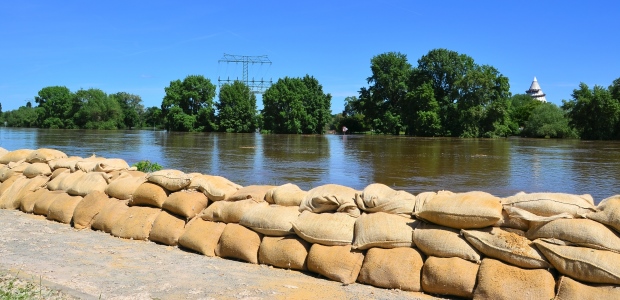
- Contact community officials to find out if they are planning to construct barriers (levees, beams and floodwalls) to stop floodwater from entering the homes in your area.
- Seal the walls in your basement with waterproofing compounds to avoid seepage.
If a flood is likely to hit your area, you should:
- Listen to the radio or television for information.
- Be aware that flash flooding can occur. If there is any possibility of a flash flood, move immediately to higher ground. Do not wait for instructions to move.
- Be aware of streams, drainage channels, canyons, and other areas known to flood suddenly. Flash floods can occur in these areas with or without such typical warnings as rain clouds or heavy rain.
If you must prepare to evacuate, you should:
- Secure your home. If you have time, bring in outdoor furniture. Move essential items to an upper floor.
- Turn off utilities at the main switches or valves if instructed to do so. Disconnect electrical appliances. Do not touch electrical equipment if you are wet or standing in water.
- If you have to leave your home, remember these evacuation tips:
- Do not walk through moving water. Six inches of moving water can make you fall. If you have to walk in water, walk where the water is not moving. Use a stick to check the firmness of the ground in front of you.
- Do not drive into flooded areas. If floodwaters rise around your car, abandon the car and move to higher ground if you can do so safely. You and the vehicle can be quickly swept away. Earthquakes: Do’s


No comments:
Post a Comment